

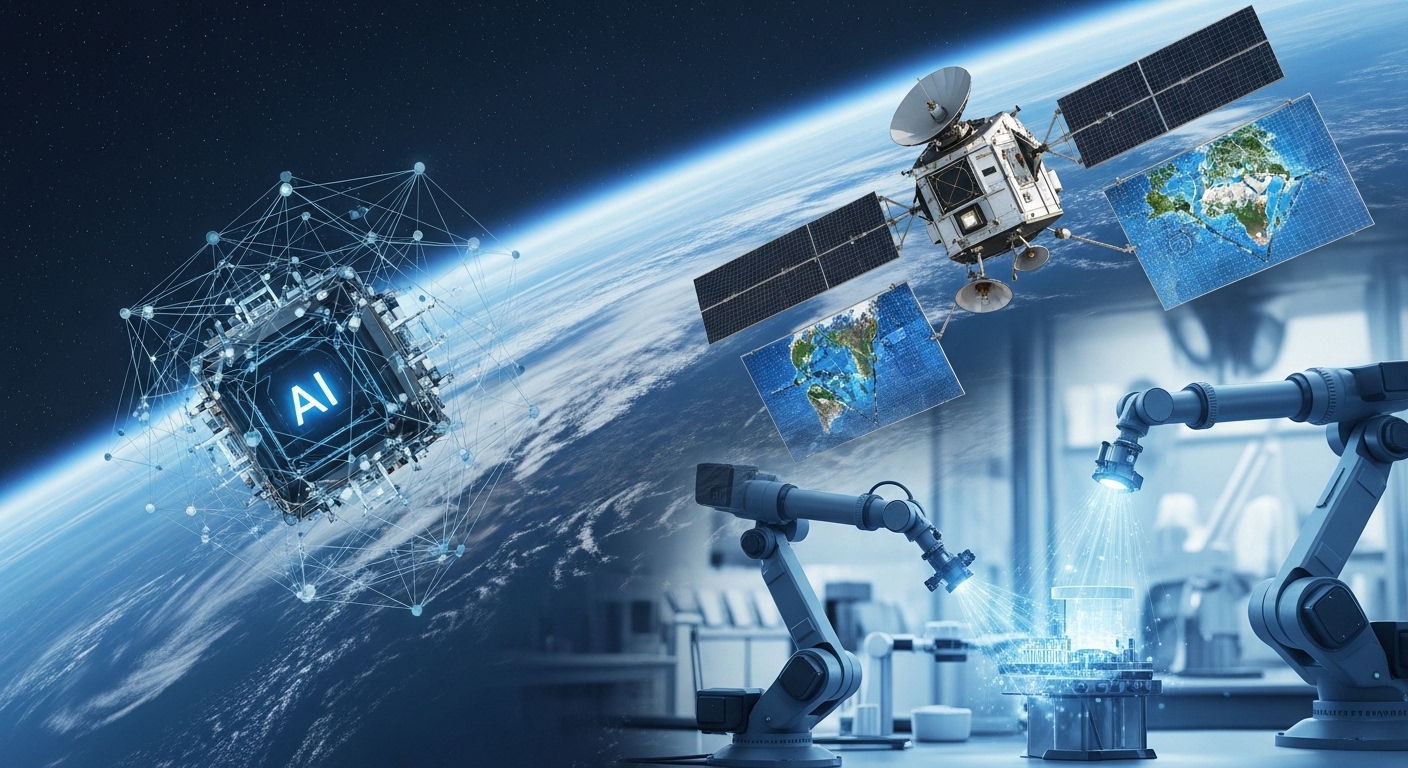
Artificial Intelligence is rapidly transforming the modern world by changing how people work, communicate, learn, and solve problems. From smart assistants to advanced data systems, AI is becoming a core part of daily life. Businesses, healthcare, education, and industries are evolving faster than ever, making processes more efficient, accurate, and automated while creating new opportunities for global innovation and development.
AI in Daily Life Transformation
Smart Assistants and Automation
Smart assistants and automation tools are making everyday tasks easier for people around the world. From voice commands to automated scheduling, AI simplifies routines and saves time. These technologies help users manage work, reminders, and communication efficiently, improving productivity and convenience in modern digital lifestyles.
Personalized Recommendations Systems
Personalized recommendation systems use AI to analyze user behavior and suggest relevant content, products, or services. Platforms like streaming apps and online stores rely on these systems. They enhance user experience, increase engagement, and help businesses deliver targeted solutions based on individual preferences and interests effectively.
Smart Home Technology Integration
Smart home technology integration allows users to control lighting, security, and appliances through AI powered systems. These innovations improve comfort, safety, and energy efficiency. AI learns user habits and automatically adjusts settings, making homes more intelligent and responsive to daily lifestyle needs and preferences.
AI in Social Media Platforms
AI in social media platforms helps filter content, detect trends, and personalize feeds for users. It improves user experience by showing relevant posts and reducing unwanted content. AI also enhances security by identifying fake accounts, spam, and harmful content across digital communication networks.
Virtual Customer Support Systems
Virtual customer support systems powered by AI provide instant responses to customer queries. Chatbots and automated support tools improve service speed and reduce waiting time. Businesses use AI support systems to handle large volumes of requests efficiently while maintaining customer satisfaction and operational efficiency.
AI in Healthcare Revolution
Disease Detection and Diagnosis
AI improves disease detection and diagnosis by analyzing medical data quickly and accurately. It helps doctors identify illnesses at early stages, improving treatment outcomes. Advanced algorithms process scans, reports, and symptoms, making healthcare more efficient, reliable, and accessible for patients around the world.
Medical Imaging and Analysis
Medical imaging and analysis powered by AI enhances accuracy in interpreting X rays, MRIs, and CT scans. AI systems detect abnormalities that may be missed by human eyes. This technology supports doctors in making faster and more precise medical decisions for better patient care.
Personalized Treatment Plans
AI enables personalized treatment plans by analyzing patient history, genetics, and lifestyle data. It helps doctors recommend customized therapies for better recovery results. Personalized healthcare improves treatment effectiveness and reduces risks, making medical care more patient centered and outcome focused in modern healthcare systems.
Drug Discovery and Research
AI accelerates drug discovery and research by analyzing large datasets and predicting molecular behavior. This reduces time and cost in developing new medicines. Pharmaceutical companies use AI to identify potential treatments faster, improving innovation and response to global health challenges effectively.
Remote Health Monitoring
Remote health monitoring systems use AI to track patient conditions in real time. Wearable devices collect health data and alert doctors about potential issues. This improves preventive care, reduces hospital visits, and ensures continuous monitoring for patients with chronic conditions efficiently.
AI in Education Systems
Smart Learning Platforms
Smart learning platforms use AI to create personalized educational experiences for students. These systems adjust lessons based on learning speed and understanding levels. They improve engagement, help students learn more effectively, and provide customized support for better academic performance in modern education systems.
Virtual Tutors and Assistance
Virtual tutors and AI assistants help students by answering questions and explaining complex topics. They provide 24/7 learning support and guidance. This technology enhances understanding, improves accessibility to education, and supports self paced learning for students across different academic levels globally.
Automated Grading Systems
Automated grading systems powered by AI evaluate assignments and exams quickly and accurately. They reduce teacher workload and ensure fair assessment. AI grading tools provide instant feedback to students, helping them understand mistakes and improve their learning outcomes efficiently.
Language Learning Applications
Language learning applications use AI to improve pronunciation, grammar, and vocabulary skills. These apps provide interactive lessons and real time feedback. They help learners practice effectively and gain confidence in new languages through personalized and adaptive learning methods.
Student Performance Analysis
AI analyzes student performance to identify strengths and weaknesses in learning. It helps educators design better teaching strategies and provide targeted support. This improves academic outcomes and ensures that each student receives the attention needed for successful education.
AI in Business Growth
Data Driven Decision Making
Data driven decision making uses AI to analyze large datasets and provide valuable insights for businesses. Companies use these insights to improve strategies and reduce risks. AI helps organizations make smarter, faster, and more accurate business decisions for long term success.
Customer Behavior Analysis
Customer behavior analysis powered by AI helps businesses understand buying patterns and preferences. It improves marketing strategies and product development. Companies can target the right audience more effectively, increasing sales and customer satisfaction through personalized experiences and data driven insights.
Automated Marketing Campaigns
Automated marketing campaigns use AI to optimize advertising efforts across digital platforms. AI selects target audiences, schedules ads, and tracks performance. This improves efficiency, reduces marketing costs, and increases conversion rates for businesses operating in competitive online markets.
Supply Chain Optimization
AI improves supply chain optimization by predicting demand, managing inventory, and reducing delays. Businesses can operate more efficiently and reduce costs. AI driven systems ensure smooth operations and better resource management across global supply networks.
Fraud Detection Systems
Fraud detection systems powered by AI identify suspicious activities in financial transactions. They analyze patterns and detect anomalies in real time. This improves security, reduces financial risks, and protects businesses and customers from fraudulent activities effectively.
AI in Transportation Industry
Self Driving Vehicles
Self driving vehicles use AI to navigate roads, detect obstacles, and make real time decisions. This technology improves safety and reduces human error. Autonomous vehicles are transforming transportation by making travel more efficient and innovative.
Traffic Management Systems
AI based traffic management systems analyze road conditions and optimize traffic flow. They reduce congestion and improve travel time in cities. Smart systems help authorities manage transportation networks more effectively using real time data.
Route Optimization Technology
Route optimization technology helps drivers and logistics companies find the fastest and most efficient routes. AI analyzes traffic, weather, and road conditions. This reduces fuel consumption, saves time, and improves delivery efficiency in transportation systems.
Predictive Maintenance Systems
Predictive maintenance systems use AI to monitor vehicle health and detect issues before failures occur. This reduces repair costs and improves safety. Transportation companies benefit from fewer breakdowns and improved operational efficiency.
Smart Public Transport Solutions
Smart public transport systems use AI to improve scheduling, ticketing, and passenger experience. These systems make transportation more reliable and efficient. AI helps cities manage public transport networks and improve overall urban mobility.
AI in Creative Industries
Content Generation Tools
AI content generation tools help creators produce text, images, and videos quickly. These tools improve productivity and creativity. Businesses and individuals use AI to generate ideas and streamline content creation processes effectively.
Music Composition Systems
AI music systems compose melodies and assist artists in creating new songs. These tools analyze patterns and generate unique compositions. They support musicians in exploring creativity and producing innovative music efficiently.
Graphic Design Automation
Graphic design automation uses AI to create logos, posters, and digital artwork. It helps designers save time and improve efficiency. AI tools assist in generating professional quality designs with minimal effort.
Video Editing Assistance
AI video editing tools automate cutting, transitions, and enhancements. They simplify the editing process and improve output quality. Content creators use AI to produce professional videos quickly and efficiently.
Film Production Innovations
AI is transforming film production through script analysis, visual effects, and editing automation. It reduces production time and costs while improving creativity. The film industry benefits from faster and more efficient workflows.
AI in Future Innovation
Robotics Development
Robotics development uses AI to create intelligent machines capable of performing complex tasks. These robots assist in industries, healthcare, and daily life. AI powered robotics improves efficiency, safety, and automation across multiple sectors.
Space Exploration Technology
AI supports space exploration by analyzing data, controlling spacecraft, and assisting missions. It improves accuracy and reduces risks in space research. AI helps scientists explore new planets and understand the universe better.
Smart City Solutions
Smart city solutions use AI to improve infrastructure, energy usage, and public services. These systems enhance urban living by optimizing resources and reducing environmental impact. AI helps build more efficient and sustainable cities.
Environmental Protection Systems
AI helps protect the environment by monitoring pollution, climate change, and wildlife. It provides data driven insights for conservation efforts. AI supports sustainable practices and helps address global environmental challenges effectively.
Future Job Opportunities
AI is creating new job opportunities in technology, data science, and automation industries. It also transforms existing jobs by introducing new skills requirements. The future workforce will rely heavily on AI driven roles and innovations.
FAQs
What is Artificial Intelligence used for today?
AI is used in healthcare, business, education, transportation, and daily life applications.
Will AI replace human jobs completely?
AI will transform jobs but also create new opportunities rather than fully replacing humans.
How does AI improve healthcare?
AI improves diagnosis, treatment, monitoring, and medical research efficiency significantly.
Is AI safe for future use?
AI is safe when properly regulated and ethically developed by organizations.
Can students learn AI easily?
Yes, students can learn AI through online courses and practical training platforms.
Conclusion
Artificial Intelligence is transforming the world by improving efficiency, accuracy, and innovation across all major industries. From healthcare and education to business and transportation, AI is reshaping how humans live and work. Its continuous growth creates new opportunities, enhances productivity, and builds a smarter future where technology and human intelligence work together effectively and powerfully.
