

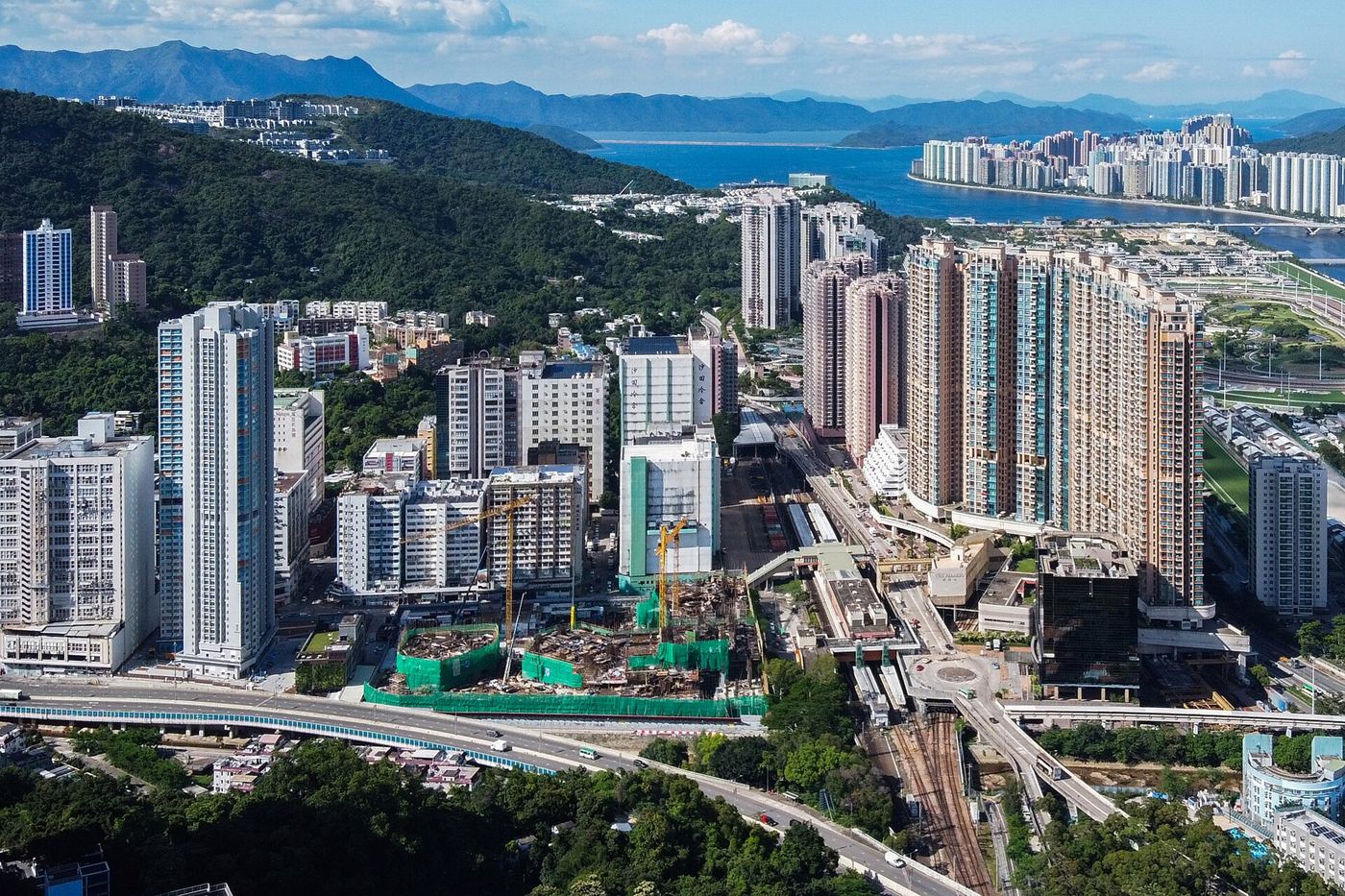
Across the wealthy world, the maths of housing has broken in the same way: prices and rents have outrun incomes for so long that ordinary milestones — a first deposit, a family-sized rental near work — have slipped years out of reach for younger households. Economists who disagree about much else converge on the central fact of a supply shortfall accumulated over decades, in which the cities generating the most jobs have permitted the fewest new homes relative to the people arriving to fill them.
The Shortfall in Numbers
How the shortfall accumulated is a story of incentives. Planning systems give existing residents, who vote locally, effective vetoes over change whose costs they feel immediately and whose benefits arrive diffusely. Construction capacity itself withered after the financial crisis and never fully rebuilt, leaving skills shortages that inflate costs for the homes that are approved. Land near jobs acquired scarcity value so large that it swamps the cost of building on it, warping everything from apartment sizes to developer behaviour.
The policy experiments now running are unusually empirical. Jurisdictions that have legalised more homes near transit and jobs — missing-middle apartments, taller buildings on main streets, faster approvals — are watching rents moderate relative to comparable cities that did not. The evidence is young and argued over, but the direction repeats often enough that supply has moved from one faction’s slogan to the centre of the professional consensus, with demand-side subsidies increasingly criticised for feeding prices when homes are scarce. Further background is available in our finance coverage for readers following this story.
Why Building Stalled
Supply alone, its advocates concede, does not house the poorest. Social and subsidised housing remains a separate, necessary programme wherever market rents exceed what low-wage work pays, and the waitlists measure that gap precisely. Construction quality, building safety and infrastructure — schools, clinics, transport — must arrive with the homes or new development simply exports its problems. The places growing well treat those as one budget line, not an afterthought.
For individuals, the crisis rewrites life plans in ways statistics flatten: moves delayed, commutes lengthened, families started later or smaller, businesses unable to hire because staff cannot live within reach. Employers in the most expensive cities report housing as a top recruitment constraint, converting a social problem into an economic one that even finance ministries track. That convergence of interests is why housing has climbed to the top of political agendas it previously decorated. Additional reporting from BBC Business provides further detail on the background.
What Seems to Work
There is no version of this story with a quick ending, because homes are slow to build and the shortfall is measured in millions. But the reframing matters: from a mystery of prices to a solvable, if decade-long, problem of permission, capacity and land. Cities that have started earliest are beginning to show what ‘solved’ gradually looks like — not cheap housing overnight, but a market where a normal salary once again reaches a normal home. Stakeholders across the sector are watching closely, since the outcome will shape planning and investment decisions well into next year.
