

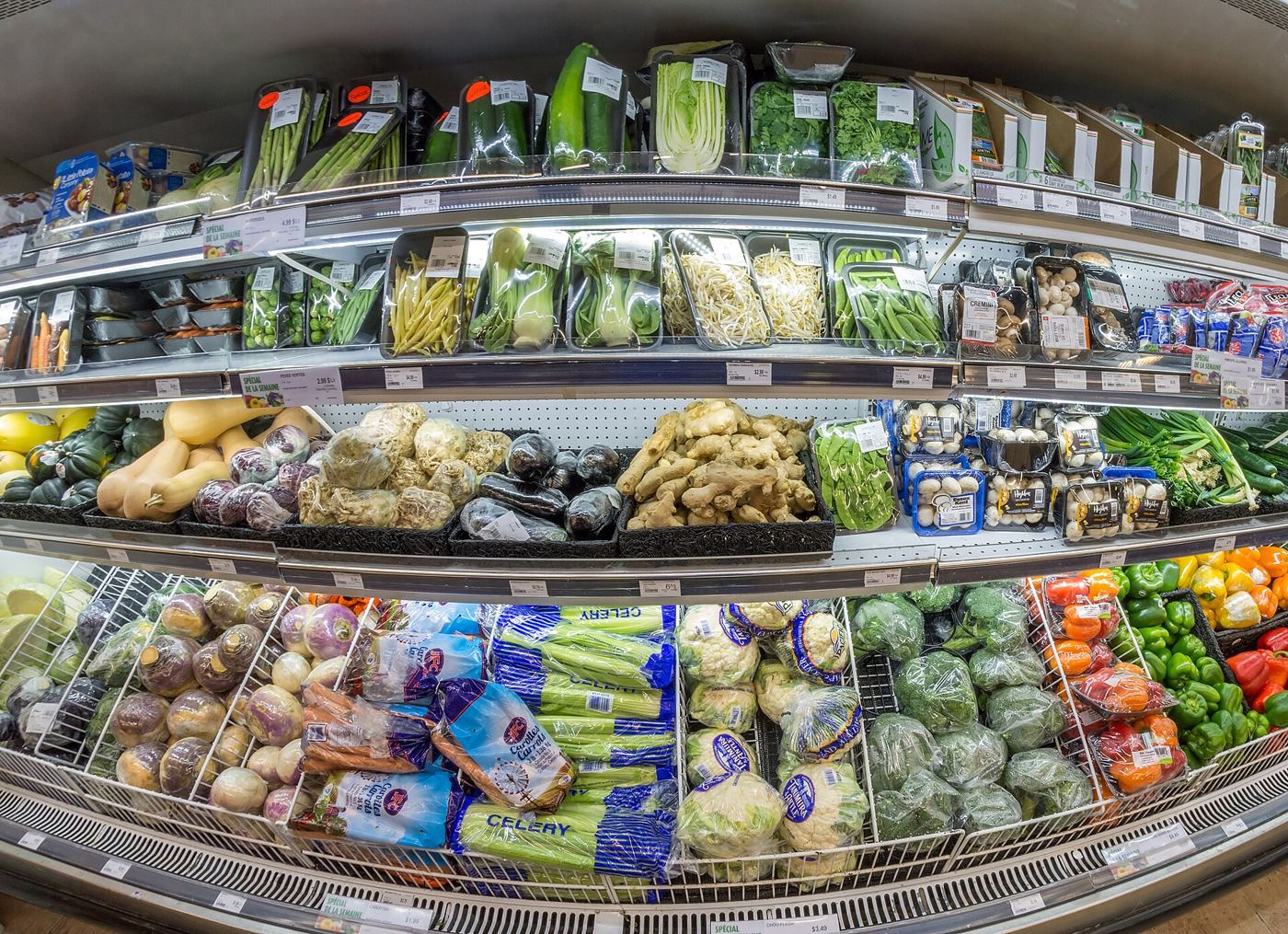
Nobody walks into a supermarket intending to overspend, yet the average trolley holds a fifth more than the list that entered the shop. That gap is not a character flaw. It is the product of a building designed by psychologists, priced by algorithms and arranged so that your weakest moment — hungry, tired, decision-fatigued — meets its most profitable shelf.
The store is an argument
Every element argues with your budget. The essentials sit at the back so you traverse the temptation to reach them. The eye-level shelves carry the profitable brands; the budget lines live at ankle and neck height. End-of-aisle displays manufacture urgency for products nobody planned to buy, and the multi-buy offer quietly converts a saving on one item into spending on three. Naming the machinery is half the defence: a shopper who sees the argument stops mistaking it for their own appetite.
Your brain brings its own tricks
The other half is internal. Shopping hungry measurably inflates the trolley; shopping with a list written from a meal plan measurably shrinks it. The Food and Agriculture Organization of the United Nations has documented how much of the world’s food is wasted at household level — which means the most expensive groceries are the ones thrown away, and the weekly shop that plans for leftovers beats the bigger, vaguer shop every time. Behavioural research summarised by the OECD points the same way: defaults and friction decide spending more than intentions do, so the frugal move is to design the shop — list, route, basket size — before entering it.
A budget that survives real life
The plans that work, and the ones we share throughout our Blog, share a mercy rule: they budget for the treat. A grocery budget with no slack collapses at the first birthday or bad week, and the collapse costs more than the slack ever would. Frugal is not the smallest possible trolley. It is the trolley you chose, in a shop that spent millions hoping you would not choose at all.
The checkout is where the design reaches its climax: sweets at child height, magazines priced to feel like nothing, and the queue itself — a corridor of small temptations for a captive, depleted shopper. The frugal countermeasures are correspondingly plain. A smaller basket caps the damage of impulse. A running total kept on the phone restores the feedback that card payments are designed to remove. And paying attention to unit prices rather than headline prices quietly defeats the shrinkflation that makes last month’s basket cost more for the same money.
There is a household systems layer too. The “shop your kitchen first” habit — building the week’s list from what is already in the cupboards and freezer — cuts both spending and waste in one stroke, and a standing list of staples on the fridge door captures the forgotten items that cause the expensive second trip. Second trips are where budgets go to die: nobody returns for just the milk.
The deeper point is that a grocery budget is not really about groceries. It is the most frequent financial decision a household makes, which makes it the best training ground for every larger one. Master the weekly shop — its psychology, its systems, its mercy rule — and you have built the muscle that every other budget borrows.
