

Every frugal household learns the same lesson eventually: you cannot shop your way to a lower energy bill as reliably as you can behave your way there. Tariffs change, suppliers compete, but the kilowatt-hours you never use are saved at whatever price your supplier charges — forever. The art is finding the waste that hides in plain sight.
Lighting: the five-minute fortune
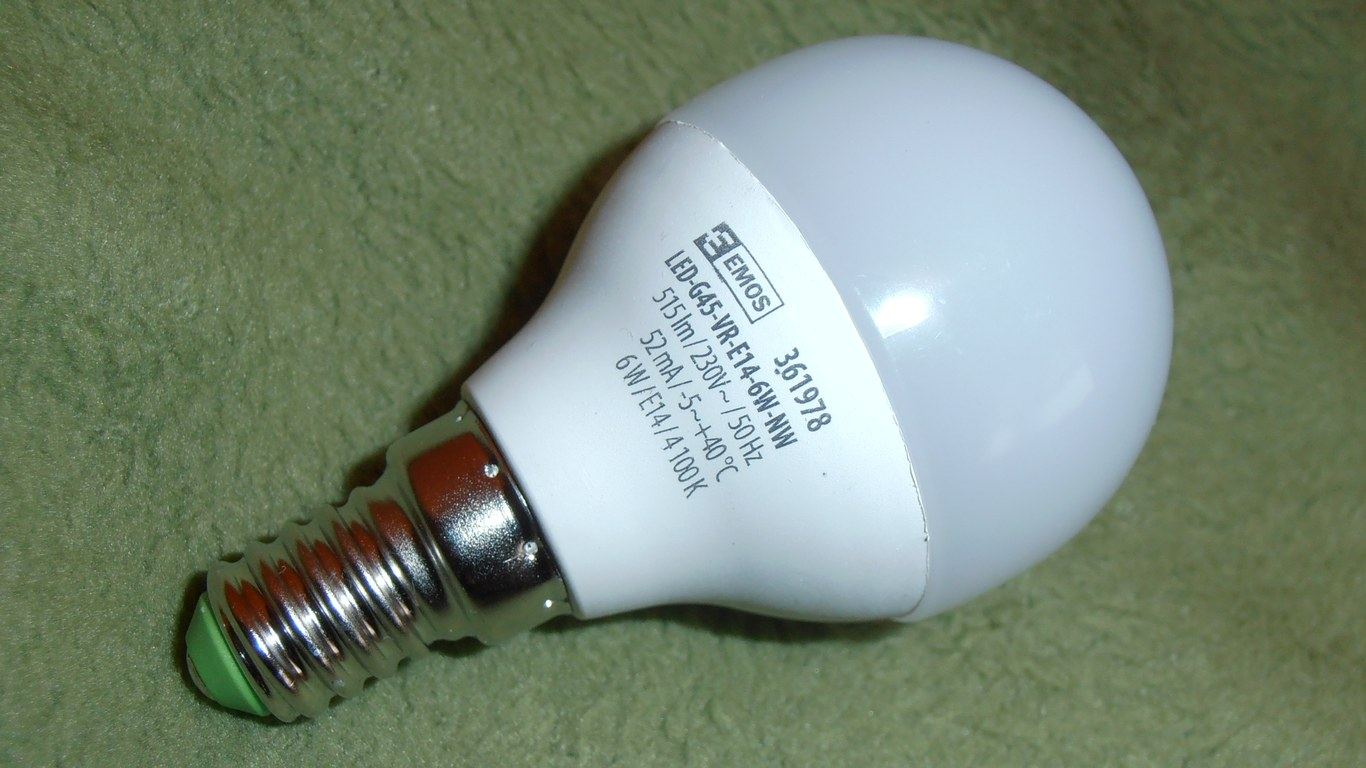
The fastest payback in the home remains the LED swap. The Energy Saving Trust estimates that replacing remaining halogen or old incandescent bulbs with LEDs cuts lighting energy by up to 90 per cent, and lighting is a meaningful slice of a typical bill. Consumer testing by organisations such as Belgium’s Test Aankoop adds a refinement: buy bulbs by lumens, not watts, choose warm colour temperatures for living spaces, and the frugal swap stops feeling like a sacrifice — the rooms simply look the same for a tenth of the running cost.
The standby myth and the real loads
Standby power is real but routinely exaggerated; the modern television sipping a watt is not your problem. The International Energy Agency points instead at the big thermal loads: water heating, tumble dryers, electric showers, oven use. Washing at 30 degrees, drying on a rack when the weather allows, and cooking with lids and full ovens attack the loads that matter. A cheap plug-in energy monitor turns the hunt into a game — measure each suspect appliance for a week and the bill’s anatomy stops being a mystery.
Frugal is a system, not a stunt
The households that sustain low bills share a pattern we return to across our Blog: they automate the saving (timers, thermostats, LED everywhere), then stop thinking about it. Willpower leaks; systems hold. Start with light, measure the big loads, and let the meter slow down on its own.
Heating and cooling deserve a frugal audit of their own, because in most homes they dwarf everything else. The cheapest degree is the one your thermostat never requests: a single degree lower on the heating, sustained across a winter, outperforms most gadget purchases, and it is free. Draught-proofing the obvious gaps — letterboxes, loft hatches, the skirting behind the sofa on an outside wall — is the classic weekend project whose payback is measured in weeks, not years.
Then there is the tariff game, worth playing once a year rather than weekly. Fixed versus variable, time-of-use pricing that rewards the household able to run its washing machine at noon or midnight — these are decisions that compound quietly in the background. Frugal households treat the annual tariff review like a dental check-up: unglamorous, brief, and expensive to skip.
None of this requires a colder, dimmer life. It requires attention, spent once, on the places where energy leaks money — and then a system that keeps the saving while you get on with living in the home you were paying to light.
